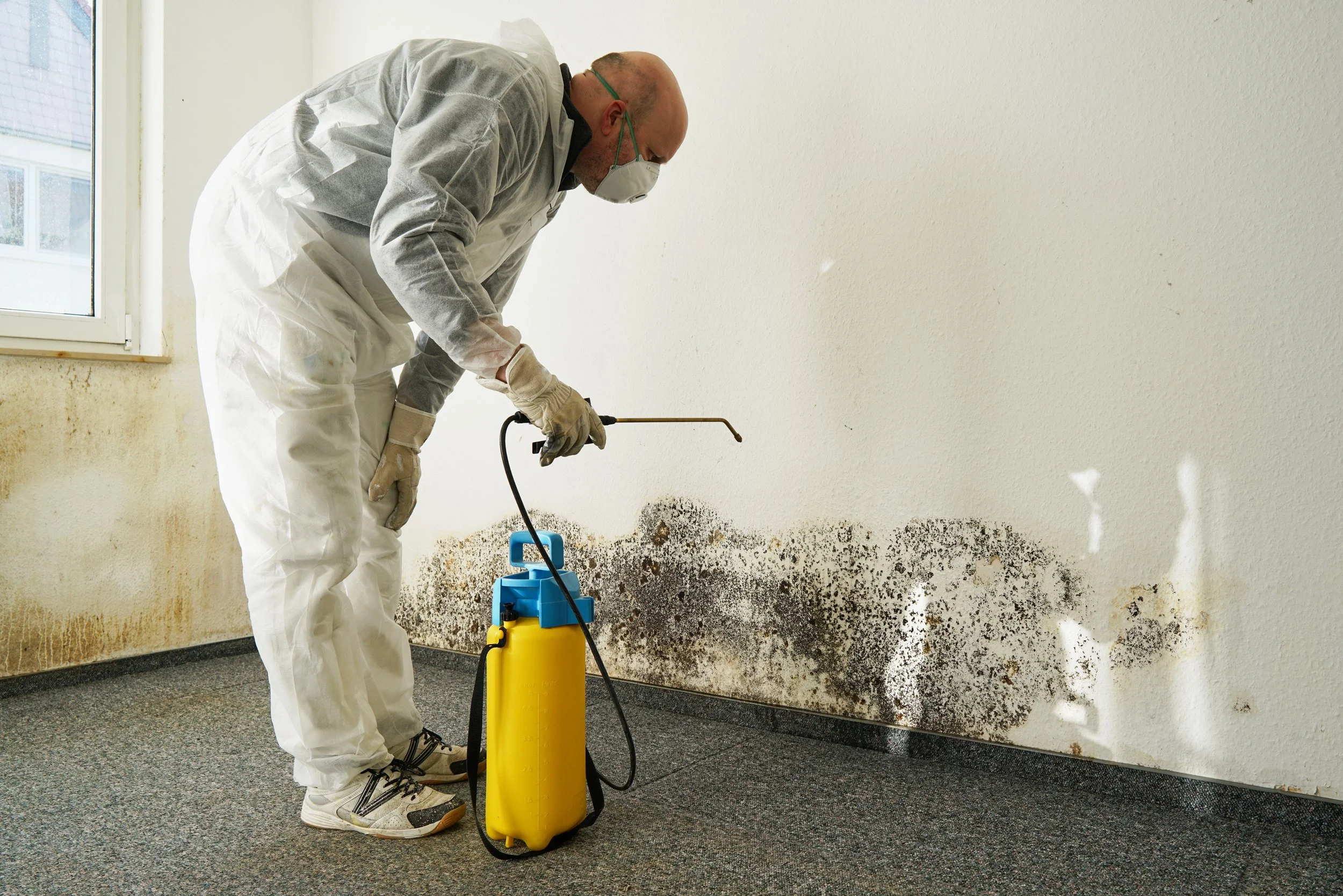
Mold is a common issue in households, especially in damp and humid spaces like the bathroom. With the average adult spending about 30 minutes a day in the bathroom, it’s important to understand how moisture affects your home—and how to prevent mold before it becomes a much bigger (and more expensive) issue.
Recently, CCS Property Services completed a mold remediation job in an older Wisconsin home where the bathroom exhaust fan had been venting into the attic for years. This used to be common decades ago, but today’s Wisconsin building codes require bathroom fans to vent directly outdoors—not into attics, crawl spaces, or soffits.
This one hidden issue led to significant attic mold, proving that mold prevention doesn’t start in the bathroom… it starts with proper ventilation throughout the home.
Here are nine effective tips to help keep mold out of your bathroom and prevent moisture problems from spreading to other areas of your home:
1. Use the Bathroom Fan Properly
Your bathroom exhaust fan is your first line of defense against mold. Run it before, during, and 20 minutes after every shower.
If your home doesn’t have a fan—or you suspect yours isn’t vented correctly (especially in older homes)—CCS can inspect it. Improper venting is one of the top causes of attic mold in Wisconsin homes.
2. Keep Doors and Windows Open
Airflow is crucial. When possible, crack a window or leave the bathroom door open to allow moisture to escape faster.
3. Take Shorter, Cooler Showers
Long, hot showers create excess steam. Reducing time and temperature helps control humidity and prevents mold spores from settling.
4. Squeegee and Wipe Down Wet Surfaces
A quick 30-second wipe-down of shower walls, glass, and counters removes standing water that mold loves.
5. Use DampRid or Similar Moisture Absorbers
These products naturally pull excess moisture from the air and help reduce musty odors—great for small, low-ventilation bathrooms.
6. Demist Mirrors with Natural Solutions
Products like RainX or natural anti-fog solutions help reduce condensation, which lowers moisture buildup on surfaces.
7. Remove Rugs and Carpets
Fabric holds moisture. Using washable mats and drying towels outside the bathroom prevents mold growth.
8. Add Houseplants That Reduce Humidity
Plants like peace lilies or spider plants naturally help dehumidify the space and improve air quality.
9. Monitor for Leaks
A small leak under a sink or around a toilet can quickly turn into a mold hotspot. Regularly check plumbing and caulking.
Real-World Mold Example: Old Fan = Big Attic Problem
In our recent project, CCS Property Services discovered that an old bathroom fan had been venting warm, wet air straight into the attic. Over time, this trapped humidity created widespread mold across attic sheathing and framing.

Before & After photos clearly showed how a simple venting mistake caused major mold growth—and how proper remediation restored a safe, clean attic.
If your home is older, or if your bathroom fan is original to the house, it may not meet today’s ventilation standards. A quick inspection could prevent thousands of dollars in damage.
Conclusion
By following these nine practical steps, you can significantly reduce the risk of bathroom mold:
-
Use the fan
-
Improve ventilation
-
Shorten showers
-
Wipe down surfaces
-
Use moisture absorbers
-
Demist mirrors
-
Remove rugs
-
Add houseplants
-
Watch for leaks
But if you suspect mold—whether in the bathroom or the attic—professional help is essential.
Contact CCS Property Services at 920-435-2288 for a free assessment and expert mold remediation.
Serving Green Bay, Winneconne, and surrounding Wisconsin areas.